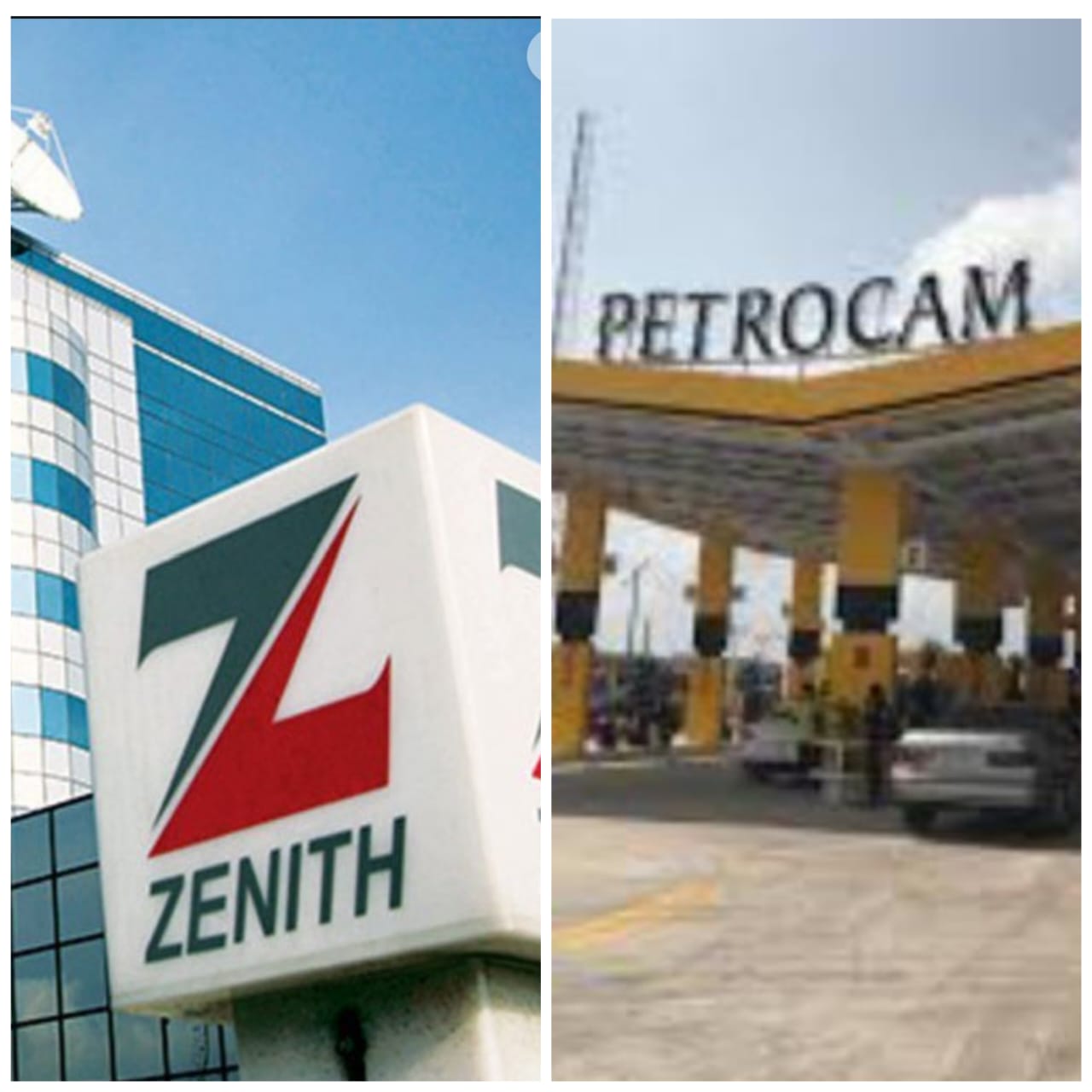
Justice Chukwujekwu Aneke of the Federal High Court, Ikoyi, Lagos, has fixed April 30, 2026, to rule on an application by Petrocam Trading Nigeria Ltd seeking to discharge an interim order freezing its bank accounts over an alleged N9.05 billion debt claimed by Zenith Bank Limited.
The freezing order was earlier granted following an ex parte application by Zenith Bank in Suit No: FHC/L/CS/393/2026, to preserve funds allegedly owed by Petrocam and its principal, Patrick Ilo, as of May 31, 2025.
At the resumed hearing, Petrocam’s counsel, Gboyega Oyewole (SAN), with S. Isaac John (SAN), Kolawole Salami, and Ademola Adefolaju, urged the court to set aside the order, arguing that it was obtained through suppression of material facts and has crippled the company’s operations.
He told the court that Petrocam is a going concern with nationwide operations and that the continued freezing of its accounts has caused severe financial hardship, despite there being no risk of dissipation of funds.
In an affidavit deposed to by its Head of Trade, Sunmola Omolara, the company denied owing Zenith Bank, insisting that all obligations under a 2014 import finance facility had been fully liquidated.
Petrocam stated that over N7.4 billion in petroleum sales proceeds were remitted directly to the bank, supported by bank statements and domiciliation records involving major industry players such as Total Nigeria Plc and Oando Plc.
The company explained that the facility was structured to be repaid through petroleum sales proceeds and Sovereign Debt Notes issued under the Federal Government’s fuel subsidy regime, adding that any temporary shortfall was due to delays in government payments, which were eventually settled between 2019 and 2020.
It further claimed that interest on the facility was cancelled and settled through the Debt Management Office, stressing that Zenith Bank was fully aware of, and participated in, the subsidy-backed arrangement.
A key plank of Petrocam’s application is its allegation that Zenith Bank failed to comply with a Central Bank of Nigeria directive mandating a 100 per cent interest waiver on subsidy-related debts, while continuing to impose interest charges up to 2023 and 2024.
The company also alleged that regulatory panels directed the bank to refund excess charges, but that the bank failed to comply.
In support, Petrocam relied on a Letter of Non-Indebtedness dated December 16, 2024, allegedly issued by Zenith Bank, which it said confirmed that its account was in credit, save for a contingent liability tied to a bank guarantee.
It argued that the bank’s subsequent claim of a N9 billion debt contradicts this position and undermines the basis for the freezing order.
Petrocam further contended that no valid demand notice was issued before the suit was filed, describing a purported demand letter sent in June 2025 to a wrong address as an afterthought.
The defendants also accused the bank of negligence in managing the facility, including failure to secure foreign exchange for letters of credit and improper accounting of funds remitted.
Patrick Ilo, the second defendant, is seeking to be struck out of the suit, maintaining that he did not provide any personal guarantee and acted solely as an agent of the company. He also denied allegations of fraud or diversion of funds.
In their written address, the defendants argued that Zenith Bank failed to meet the legal threshold for the grant of an interlocutory injunction, insisting that no serious issue exists for trial in light of the alleged confirmation of non-indebtedness.
They added that the balance of convenience favours Petrocam, which faces operational paralysis under the freezing order, while the bank can be compensated in damages if it succeeds at trial.
Opposing the application, counsel to Zenith Bank, Chief Ajibola Aribisala (SAN), urged the court to refuse the request and retain the freezing order.
Aribisala argued that the bank’s claim is based on a subsisting indebtedness and that the issues raised by Petrocam are substantive matters for trial, not grounds for setting aside the interim order.
He maintained that the order is necessary to preserve the subject matter of the suit, warning that lifting it could jeopardise the bank’s chances of recovering the alleged debt.
After hearing both parties, Justice Aneke reserved ruling till April 30, 2026.
