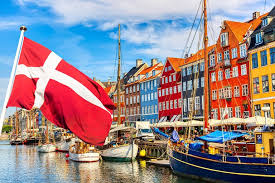
Denmark Announces Public Face Covering Restrictions Amid Cultural Debate
TEC News|12th December, 2025.
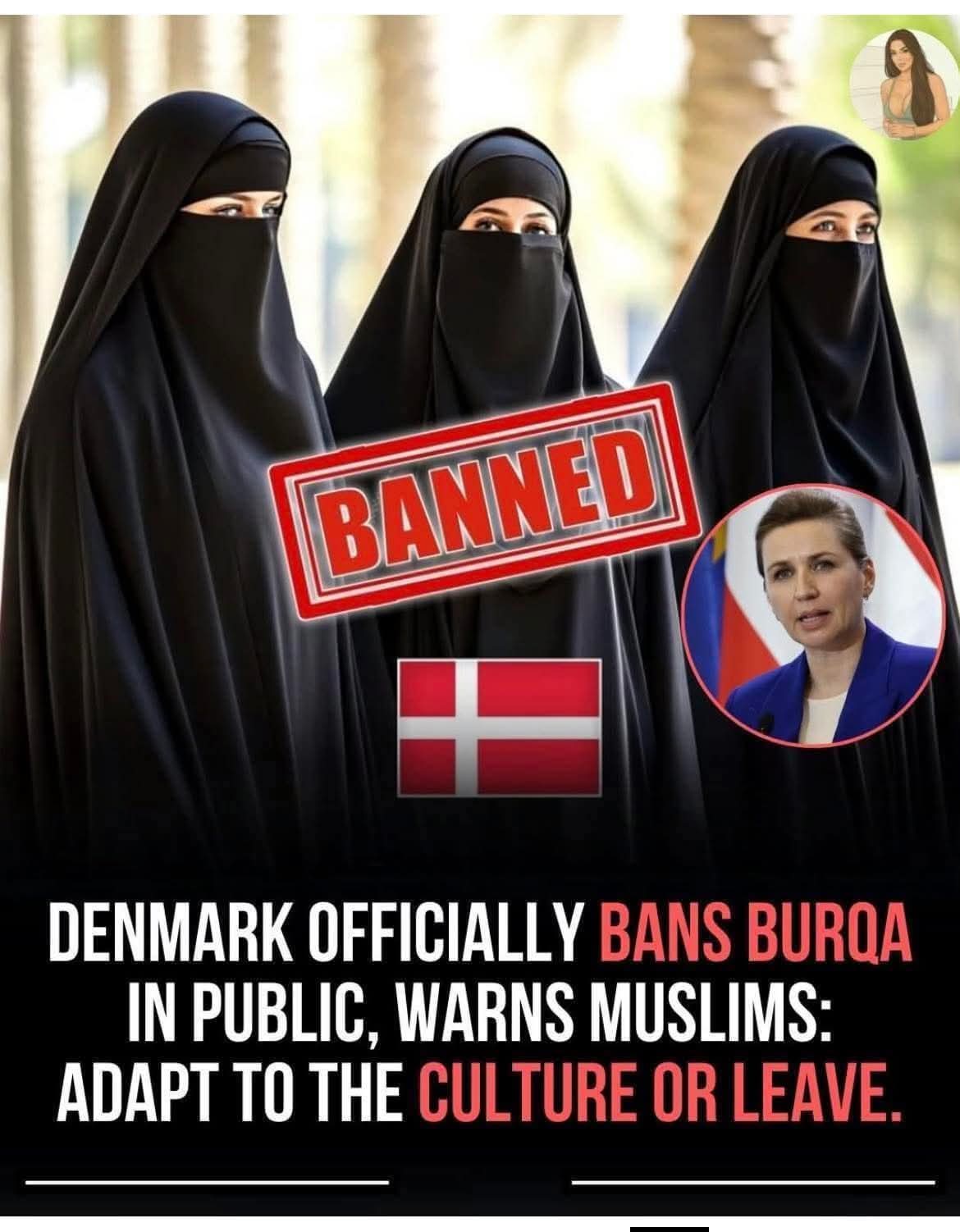
Danish authorities have introduced new regulations this week restricting the public use of full face coverings, including burqas and similar garments. The policy, aimed at promoting public safety and social cohesion, has stirred debate both domestically and abroad.
Under the updated rules, individuals are no longer permitted to wear garments that fully obscure the face in public spaces. Danish officials say the policy is intended to support open communication, improve identification in public areas, and foster integration. The government emphasizes that the law applies to all forms of full face coverings regardless of religious, cultural, or non-religious motivations.
Government representatives stated that the policy aligns with existing principles on public order and transparency. In a press briefing, a senior government spokesperson explained that while Denmark respects freedom of religion and expression, restrictions on full face coverings are viewed as necessary for public safety and societal interaction.
The announcement has drawn reactions from various civil liberties groups and religious communities. Critics argue the ban disproportionately affects Muslim women who wear burqas or niqabs as part of their faith practice. Supporters of the measure say it reflects Danish cultural norms and long-standing standards for public identification.
Human rights organizations have called for careful implementation of the policy, urging authorities to ensure that enforcement does not lead to discrimination or targeting of specific groups.
Denmark joins several other European nations that have enacted similar regulations in recent years, sparking an ongoing dialogue about cultural integration, individual rights, and public policy in multicultural societies.
This story is developing. TEC News will continue to monitor reactions from affected communities and international responses.
Adverts