
ICPC chairman seeks cross-border collaboration to tackle corruption

By Isaac Aregbesola
Dr Musa Aliyu, the Chairman of the Independent Corrupt Practices and Other Related Offences Commission (ICPC), has called for stronger cross-border collaboration among nations to tackle corruption.
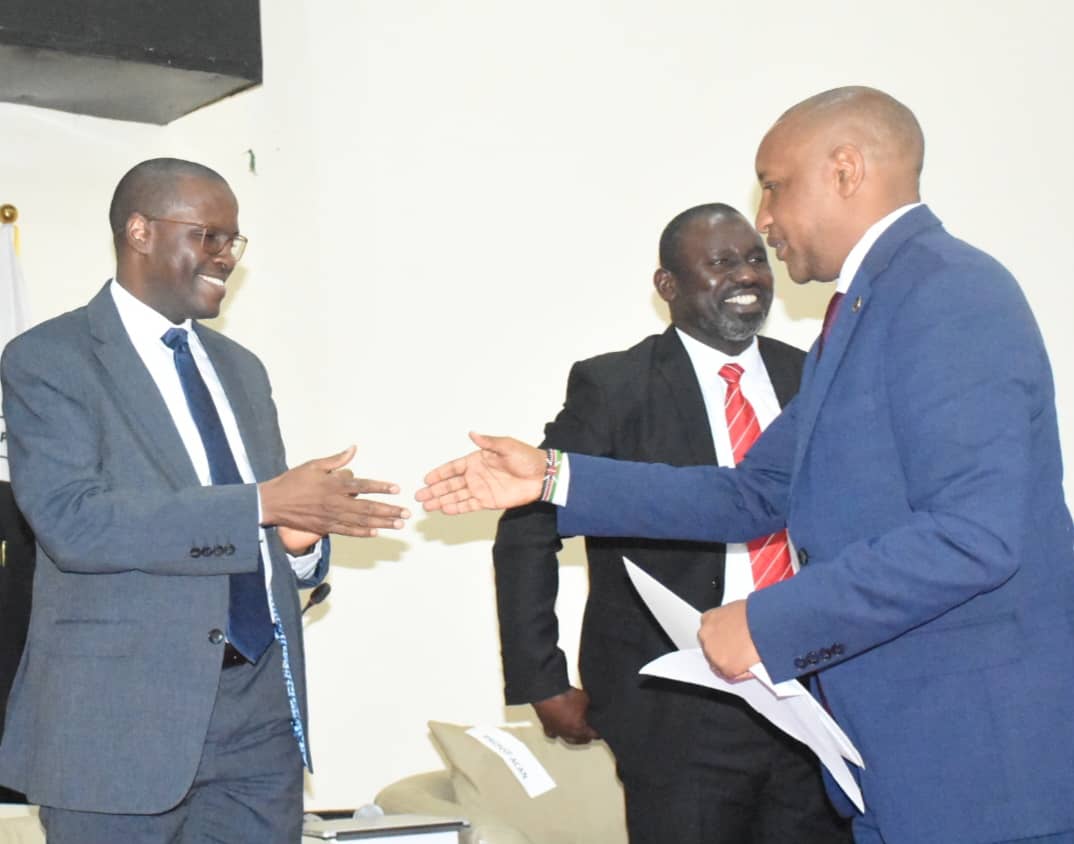
Aliyu said this on Tuesday at the maiden edition of the International Diplomatic Dialogue, organised by the Anti-Corruption Academy of Nigeria (ACAN), the research and training arm of ICPC, in Abuja.
The dialogue, which brings together global perspectives on the fight against corruption, is themed “Experience Sharing in Anti-Corruption Strategy: The Kenyan Perspective,”
He noted with concern that corruption remained a major impediment to sustainable development, economic growth, and public trust in institutions.
The ICPC boss said that corruption was a global phenomenon afflicting nations in varying degrees depending on the level of strategic actions taken against it.
Aliyu, while welcoming the Kenyan High Commissioner to Nigeria, Amb Isaac Parashina, as guest speaker, said the event provided a unique platform for international engagement and collaborative learning.
He stated that Kenya had made notable efforts in advancing anti-corruption reforms, adding that Nigeria had much to learn from Kenya’s comparative experience and best practices.
“As Nigeria continues to deepen its anti-corruption efforts, there is much value in learning from comparative experiences, understanding best practices, and identifying innovative approaches that can be adapted to our local realities,” Aliyu said.
The chairman emphasised that corruption had devastating effects and consequences on the political, socio-economic, and developmental strides of nations that allowed it to thrive unchecked.
He said the dialogue reflected ICPC and ACAN’s commitment to fostering international cooperation and promoting evidence-based approaches to corruption prevention.
Aliyu added that the initiative aligned with ICPC’s broader objective of building a culture of integrity, transparency, and accountability in both the public and private sectors.
He expressed appreciation to Kenyan envoy for honouring the invitation, noting that his presence further strengthened cordial relations between Nigeria and Kenya.
“Your presence today demonstrates our shared commitment to good governance and ethical leadership,” he said.
The ICPC chairman also commended the Provost of ACAN, Prof. Sheriff Ibrahim, and his team for conceptualising and organising the dialogue.
Amb. Parashina, in his lecture, explained that Kenya’s anti-corruption journey demonstrated that sustainable progress requires constitutional commitment, strong institutions, effective legislation, technological innovation and coordinated action across government.
In his lecture themed: “Diplomatic Dialogue: How Kenya Handles Corruption and Anti-Corruption,” the envoy stressed that African nations had the capacity, expertise and determination necessary to confront corruption.
“The Constitution of Kenya, 2010 fundamentally transformed the country’s anti-corruption landscape by embedding integrity, transparency and accountability into the governance framework and strengthening independent oversight institutions.
“While challenges persist, Kenya continues to refine its systems and strengthen its institutions in pursuit of accountable governance and sustainable development.
“The experiences of Kenya and Nigeria affirm that African nations possess the capacity, expertise and determination necessary to confront corruption and promote integrity in public life.”
According to him, through deeper cooperation, the two countries can contribute significantly to advancing good governance, economic growth and prosperity across the continent.
In his address of welcome, the ACAN provost explained that the essence of the dialogue was “engagement and conversations for mutual learning,” citing historical examples of nations that advanced through studying others.
Ibrahim, who called for adoption of the “Socratic method” of perpetual learning from other nations, noted that mutual learning among civilisations was critical to achieving common progress in the global fight against corruption.
He said ICPC was adopting the Socratic Method, which requires humility, lifelong curiosity, and openness to different perspectives, and identified three typologies of learners: the wise, the average, and the ignorant.
The provost said Kenya was chosen for the maiden dialogue because of its multi-ethnic composition and strong anti-corruption reforms, noting Kenya is home to over 40 tribes including Maasai, Kikuyu, Luhya, Kalenjin, Luo and Kamba.
He said Kenya demonstrated resilience by fighting colonial corruption through the Mau movement, which crippled dehumanisation and land seizures until independence was attained on Dec. 12, 1963.
Ibrahim listed Kenya’s achievements including recovery of over 118 million dollars in illicit assets since 2014, enactment of the Anti-Corruption and Economic Crimes Act, digitisation of public services through the e-Citizen Portal, and establishment of specialised anti-corruption courts.
NAN